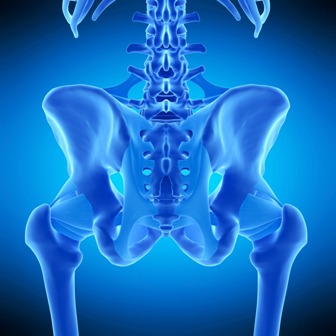
Hip Replacement
The information below is available as a download document in PDF format.
Please click on the Blue Button below to download the file format.
AI Generated Wording – Your Information Here
Why do I need a HIP Replacement
A hip replacement, medically known as total hip arthroplasty (THA), is often recommended when a person experiences persistent hip pain and functional limitations that negatively impact their quality of life. This typically results from the deterioration of the hip joint, which can be caused by conditions such as:
– Osteoarthritis: A degenerative disease characterized by the wearing away of cartilage and the hip joint’s gradual breakdown.
– Rheumatoid arthritis: An autoimmune inflammatory condition that causes joint pain, swelling, and can lead to joint destruction.
– Osteonecrosis: A disease caused by reduced blood flow to the bone in the joint, leading to bone death and joint instability.
– Injury or trauma: Previous fractures or injuries to the hip area may lead to chronic issues and the necessity for surgical intervention.
– Bone tumors: These may damage the hip joint to the extent that a replacement is necessary for pain relief and functionality.
The typical reasons to undergo a hip replacement usually include debilitating pain, stiffness, and decreased hip function that limits everyday activities, such as walking, sitting, and bending. Conservative treatments like pain medication, physical therapy, or corticosteroid injections are usually attempted first, and if they fail to provide relief, a hip replacement may be recommended. The goal of hip replacement surgery is to alleviate pain, restore function, and improve the patient’s ability to perform daily activities, thus enhancing overall quality of life.
How long does a hip replacement recovery take?
The recovery period following hip replacement surgery can vary based on individual factors such as the patient’s health status, age, activity level, and the type of surgery performed (traditional or minimally invasive). However, typical recovery timelines include:
– Immediate Post-Operative Period (Hospital Stay): This usually lasts for 1 to 3 days, where the focus is on pain management and beginning mobilization with assistance.
– First 6 Weeks: Patients generally start physical therapy to regain strength and mobility. Use of assistive devices like walkers or canes is common.
– 6 to 12 Weeks: Many patients see significant improvements during this period. They continue physical therapy and gradually resume normal activities, often transitioning away from assistive devices.
– 3 to 6 Months: Most patients experience a return to everyday activities with little to no pain. Ongoing physical therapy may be recommended to continue improving strength and range of motion.
– One Year: By this time, patients are expected to have made a full recovery, achieving maximum improvement in pain and function.
It is important to note that the timeline may vary; some patients may recover quicker while others may require more time. Good communication with healthcare providers and adherence to prescribed rehabilitation protocols are essential for a successful recovery.