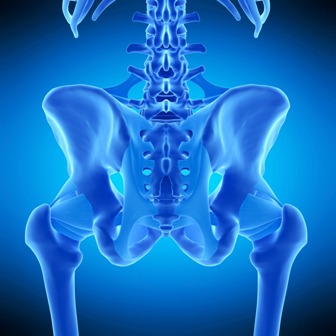
SuperPath® Minimally Invasive Hip Replacement.
The information below is available as a download document in PDF format.
Please click on the Blue Button below to download the file format.
AI Generated Wording – Your Information Here
What is Superpath®
SuperPath® is a technique for performing minimally invasive total hip replacement. It is a tissue-sparing procedure which means there is minimal cutting of the muscles and tendons around the hip. The SuperPath® technique enables surgeons to replace the hip without dislocating it during the surgery. This may potentially lead to a number of benefits for the patient, including less trauma to the tissues surrounding the hip, reduced postoperative pain, faster recovery times, and a smaller risk of dislocation post-surgery due to the preservation of the hip’s soft tissue structures.
During this procedure, the surgical implants are positioned through the natural plane of the tissues, which can potentially allow for immediate stability of the hip after surgery. Patients can often start walking shortly after surgery, sometimes within a few hours, and they may experience fewer postoperative restrictions compared to traditional hip replacement techniques. However, it is important to note that not all patients are candidates for the SuperPath® procedure, and its suitability depends on factors such as the surgeon’s assessment, the patient’s anatomy, and overall health.
As with any medical procedure, individuals considering this surgical option should discuss the potential risks and benefits with an orthopedic surgeon who is trained and experienced in the SuperPath® technique.
Therefore, there are no restrictions after surgery. Because there is so little soft tissue damage, there is less bleeding and hence less pain and a shorter hospital stay. Less damage to normal soft tissues is also the reason that patients have near normal feedback from their tissues – called proprioception. This allows for safer and quicker mobility. For example patients are looking forward rather than to the ground when they are walking.
Is this different from other minimally invasive hip surgery?
Other minimally invasive approach that is practiced frequently is anterior approach. Hip dislocation is part of this approach. Anterior approach also needs a special table and traction device. When things are not so easily seen with this approach, it is much harder to extend the incision and make it bigger or extensive. The learning curve for anterior approach is much bigger.
In the SuperPath approach, there is no need to dislocate; it is same as the posterior approach hence there is no need for a special table or traction device. When there is need, extension of incision allows conversion to normal posterior approach. Because the dissection is so similar to the posterior approach, learning curve is much smaller, with less risk of complications or less than satisfactory surgery.
What pain control will I need?
Generally most patients have combination of different pain-killers and it is decided on individual basis. Pain control is often titration to your needs. This procedure is smaller with less tissue damage and therefore pain needs are a lot less for most patients. However this is still an operation and it will cause pain and bruising particularly for first 6 weeks or so. You will have enough pain control medication with appropriate advise to reduce it as you go.
Recovery
Typical hip replacement surgery has 2-3 night stay in hospital with slow progress to regain mobility and independence to be allowed home safely. SuperPath hip replacement has the ability to allow much quicker recovery, you can be walking within hours of your operation and stay 1 night in hospital in most cases rapid recovery and early mobility has advantages all around in reducing risk of thrombosis/embolism, maintaining good chest and bowel/bladder function.