Medway Hand Clinic
Your Name
MBBS, MS (Orth), FRCSEd, FRCS (Tr & Orth)
Consultant Orthopaedic Surgeon
With a special interest in Shoulder, Elbow, Wrist & Hand Surgery
NOTES: If you can provide enough word content or information, you may want to change from a scrolling one page to a website that shows each area on it’s seperate page. Design can be either one page scrolling or each page can have it’s own seperate page created
Welcome to the Medway Should to Hand Clinic
by Your Name – Consultant Orthopaedic Surgeon
MBBS (Lond), FRCS, FRCS (Tr and Orth)
With a special interest in Shoulder, Elbow, Wrist & Hand Surgery
Mr Your Name is a Consultant Orthopaedic Surgeon with a special interest in shoulder, elbow, wrist and hand injuries.
Mr. Your Name applies his extensive 22-year expertise as a consultant orthopedic surgeon to conduct joint replacements and fracture fixations spanning the shoulder, elbow, wrist, and hand. His surgical precision and comprehensive understanding of musculoskeletal disorders ensure high standards of care for his patients, aligning with his commitment to facilitating recovery and enhancing mobility.

Your Name
Consultant Orthopaedic Surgeon
MBBS (Lond), FRCS, FRCS (Tr and Orth)
Professional Profile
Mr My Name has undergone extensive training in various settings, which include:
1. **Medical School**: My journey began with earning a medical degree from an accredited medical school (YOUR SCHOOL), which took me four years and includeded courses in anatomy, physiology, biochemistry, pharmacology, and extensive clinical training.
2. **Residency Program**: After medical school, I worked as a budding orthopedic surgeon entering a residency program in orthopedic surgery. Residencies took five years and I combined practical, hands-on experience in surgical techniques with patient care alongside classroom-based education.
3. **Fellowship Training**: Upon completion of a residency, I choose to specialize further by completing fellowship training, which lasted two years. Fellowships provide advanced training in subspecialties such as sports medicine, spine surgery, joint replacement, hand surgery, pediatric orthopedics, among others.
4. **Certification**: In many countries, after completing residency (and fellowship if chosen), I became board certified by passing rigorous exams that demonstrate their expertise. This is a step confirms my skill and knowledge in the field of orthopedic surgery.
5. **Continuing Medical Education**: Even after becoming board certified, orthopedic surgeons are expected to participate in continuing medical education (CME) throughout their careers to stay current with the latest developments and innovations in their field, which I completed.
Training for orthopedic surgeons, involved me carrying out rotations through various medical facilities, including large hospitals, specialized orthopedic clinics, and trauma centers, where I gained a wide array of experiences. This ensures they I was well-prepared for the diverse challenges they will face in their clinical practice.
Mr Your Name is a member of
FOR PATIENTS & INFORMATION
SHOULDER INFORMATION & TREATMENTS
A shoulder surgeon specializes in the diagnosis, treatment, and management of various conditions affecting the shoulder joint and the surrounding musculature and tissues. This includes performing surgical procedures to repair, reconstruct, or replace damaged parts of the shoulder, such as bones, tendons, ligaments, and muscles.
Tasks and responsibilities of a shoulder surgeon may include: (Select + icon):
1. Evaluating shoulder problems and diagnosing conditions like rotator cuff tears, shoulder impingement, arthritis, dislocations, or fractures.
2. Developing treatment plans that may involve non-surgical methods or determining when surgery is required.
3. Performing surgeries such as arthroscopy to inspect and repair internal shoulder issues, or open surgeries for more complex cases.
4. Conducting shoulder replacement surgeries, where damaged parts of the shoulder are replaced with artificial components.
5. Providing post-operative care, which includes pain management, overseeing the healing process, and guiding physical therapy for rehabilitation.
6. Staying updated with the latest surgical techniques and technologies to improve patient outcomes.
Shoulder surgeons collaborate with other healthcare professionals, such as physical therapists and sports medicine specialists, to ensure a comprehensive approach to shoulder care and patient recovery.
ELBOW INFORMATION & TREATMENTSCONDITIONS TREATED
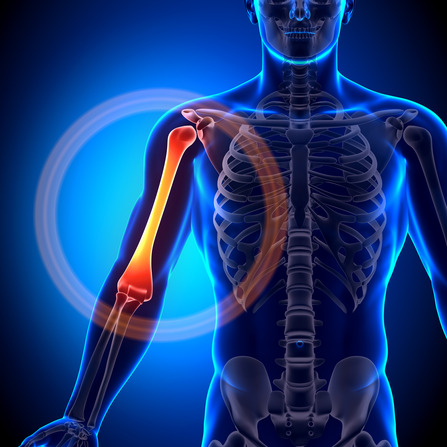
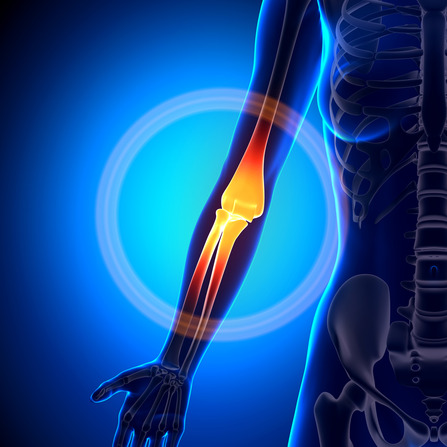
An elbow surgeon is a medical professional specializing in conditions affecting the elbow joint and the surrounding structures. They focus on diagnosing, treating, and managing various elbow disorders using both non-operative and surgical interventions.
Below are the typical responsibilities and tasks of an elbow surgeon (Select + icon):
1. **Diagnosis**: Perform a thorough assessment of elbow-related symptoms, which may include pain, stiffness, loss of motion, or instability. This can involve physical examination, diagnostic imaging like X-rays, MRI, or CT scans, and sometimes electromyography (EMG) for nerve-related issues.
2. **Treatment Planning**: Develop individualized treatment plans that may begin with conservative approaches such as medication, physical therapy, braces, or injections. When non-surgical options are inadequate, they propose surgical interventions.
3. **Surgical Procedures**: Conduct various surgical procedures including but not limited to:
– Arthroscopy: Minimally invasive surgery to address issues like arthritis, stiffness, or loose bodies within the joint.
– Tendon Repair: Repair of ruptured or damaged tendons, often due to trauma or overuse.
– Ligament Reconstruction: Restoration of elbow stability by replacing torn ligaments, notably the ulnar collateral ligament in throwing athletes.
– Fracture Fixation: Surgical alignment and stabilization of broken bones around the elbow.
– Total Elbow Arthroplasty: Replacement of the damaged elbow joint with a prosthesis, usually due to severe arthritis or injury.
4. **Post-Operative Care**: Manage the patient’s post-surgical recovery, which includes pain relief strategies, wound care, and overseeing the rehabilitation process. This is often done in collaboration with physical therapists to restore function and range of motion.
5. **Patient Education**: Inform patients about their elbow condition, surgical options, expected outcomes, and the rehabilitation process to ensure they are active participants in their care.
6. **Research and Development**: Stay current on advancements in elbow surgery techniques and technology to continually improve patient outcomes and care quality.
Elbow surgeons typically work with a variety of patients ranging from athletes with sports injuries to individuals with degenerative joint diseases or trauma-related conditions. Being subspecialists, elbow surgeons often collaborate with general orthopedic surgeons, physical therapists, and sports medicine professionals.
WRIST SURGERY INFORMATION & TREATMENTSCONDITIONS TREATED
A wrist surgeon is a medical professional who specializes in diagnosing, treating, and managing conditions related to the wrist joint and its associated structures, which include bones, tendons, ligaments, nerves, and blood vessels.
Here's what a wrist surgeon typically does: (Select + icon):
1. **Assessment**: Conduct thorough examinations of the wrist to evaluate conditions such as carpal tunnel syndrome, arthritis, ganglion cysts, fractures, sprains, and tendonitis. This can include taking a patient’s history, performing physical examinations, and ordering diagnostic tests like X-rays, MRIs, or CT scans.
2. **Treatment Planning**: Devise treatment plans tailored to each patient’s specific condition. This might begin with conservative treatments like splinting, medications, injections, or physiotherapy. If these are ineffective, the surgeon may consider surgical options.
3. **Surgery**: Perform a variety of surgical procedures that can range from minimally invasive techniques, such as arthroscopy (using small incisions and cameras to diagnose and treat joint problems), to open surgeries for more severe or complex issues. These surgeries may involve:
– Carpal Tunnel Release: Relieving pressure on the median nerve to address symptoms of carpal tunnel syndrome.
– Fracture Repair: Fixing and stabilizing broken bones in the wrist.
– Tendon Repair: Reconstructing torn or damaged tendons.
– Ligament Reconstruction: Restoring stability in the wrist after ligament injuries.
– Fusion: Permanently connecting two or more bones in the wrist to alleviate pain from arthritis or injuries.
– Total Wrist Arthroplasty: Replacing a severely damaged wrist joint with an artificial one, typically due to arthritis.
4. **Postoperative Care**: Oversee recovery and rehabilitation post-surgery, ensuring appropriate healing occurs, and working with physical therapists to restore as much function and mobility as possible.
5. **Patient Education**: Inform patients about their wrist conditions, surgical procedures, postoperative care, and rehabilitation to ensure they fully understand their treatment journey and can contribute to their recovery.
6. **Continued Education and Research**: Keep up to date with the latest advances in wrist surgery and sometimes contribute to research to improve surgical methods and patient outcomes.
Wrist surgeons often work closely with other healthcare providers, such as rheumatologists, neurologists, and hand therapists, to provide comprehensive care for their patients. They might also specialize in treating specific patient populations, such as athletes with sports-related injuries or workers with repetitive strain injuries.
HAND SURGERY INFORMATION & TREATMENTSCONDITIONS TREATED
A hand surgeon is an expert in managing conditions related to the complex anatomy of the hand and lower arm, involving bones, joints, tendons, muscles, nerves, and blood vessels.
Their role encompasses the following:: (Select + icon):
1. **Diagnosis**: Conduct thorough evaluations of hand-related issues, including pain, deformities, injuries, and reduced function.
2. **Non-surgical Treatment**: Recommend non-invasive treatments such as splints, medications, injections, or hand therapy to alleviate symptoms and improve function.
3. **Surgical Treatment**: When necessary, perform surgeries to repair, reconstruct, or replace diseased or injured parts of the hand. Common procedures include carpal tunnel release, repair of tendon injuries, reconstruction of congenital deformities, and surgeries for arthritis, such as joint fusions or replacements.
4. **Emergency Care**: Provide acute treatment for hand injuries such as fractures, dislocations, amputations, and complex lacerations.
5. **Postoperative Care**: Oversee rehabilitation and recovery following surgery, often coordinating with physical and occupational therapists to ensure optimal recovery of hand function.
6. **Patient Education**: Counsel patients regarding their condition, treatment options, and post-treatment care to ensure they are informed and involved in their recovery process.
7. **Continual Learning**: Hand surgeons continually update their knowledge and skills to include innovative techniques and advancements in hand surgery.
Hand surgeons are trained to manage hand issues across all age groups, and they work closely with other specialists such as orthopedic surgeons, plastic surgeons, and rheumatologists to provide comprehensive care.
MSK APP – Musculoskeletal (MSK) Self-Care
The MSK app has been developed to offer support and guidance on how to manage a Musculoskeletal (MSK) condition or injury. This can relate to any injury, disease or problem with muscles, bones or joints.
Clinical guidance and exercise videos can be of benefit to anyone with an MSK condition/injury. However, this app is aimed primarily for use by patients registered with a GP practice in Leicester, Leicestershire & Rutland, as guidance is dovetailed with reference to local services and links. Download the app using the icons below.


Some of the procedures and services available include:
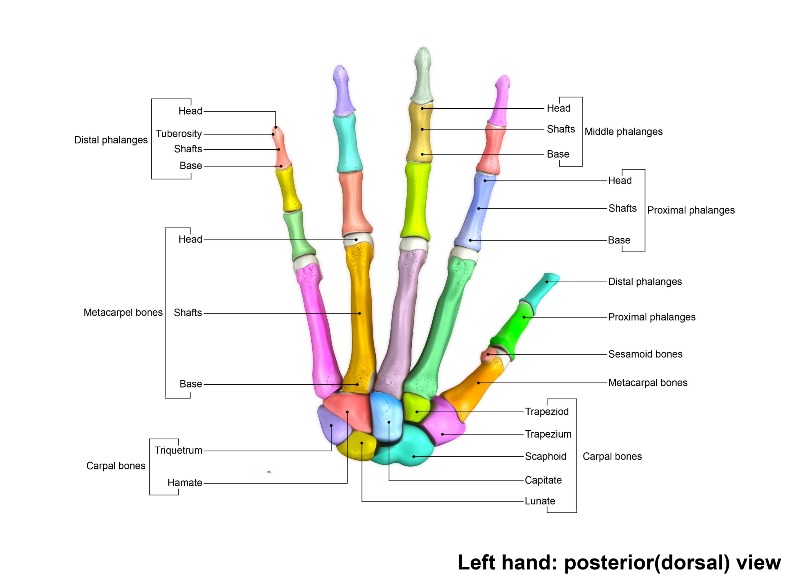
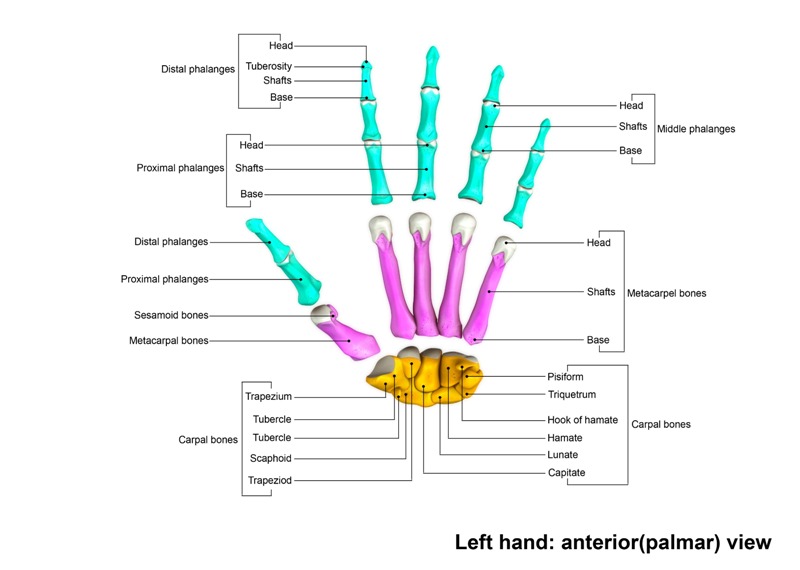
Wrist & Hand
 Carpal Tunnel Syndrome
Ganglions
Trigger Finger and Trigger Thumb
DeQuervain’s Synovitis
Dupuytren’s Contracture
Arthritis Base of Thumb
Arthritis Small Joints Hand or Wrist
Scaphoid Fracture
Wrist and Hand Fractures
Tendon Injuries
Shoulder
Tendon Injuries Impingement Pain Rotator Cuff Tear Frozen Shoulder Sports Injury to Shoulder Acromio-Clavicular Joint Arthritis Shoulder Arthritis Biceps Pathology Calcific Tendonitis Shoulder Trauma
Elbow
Tennis Elbow Ulnar Nerve Compressive Neuritis Elbow Arthritis Post Traumatic Elbow Stiffness Tendon Injuries Elbow Trauma Golfers elbow Olecranon Bursitis Sports injuries to Elbow
Testimonials
TESTIMONIAL 1
TESTIMONIAL & INFORMATION HERE IF APPLICABLE
TESTIMONIAL 2
TESTIMONIAL & INFORMATION HERE IF APPLICABLE
TESTIMONIAL 3
TESTIMONIAL & INFORMATION HERE IF APPLICABLE
TESTIMONIAL 4
TESTIMONIAL & INFORMATION HERE IF APPLICABLE
TESTIMONIAL 5
TESTIMONIAL & INFORMATION HERE IF APPLICABLE
TESTIMONIAL 6
TESTIMONIAL & INFORMATION HERE IF APPLICABLE
Useful Links
Places of Work
Dr Your Name, currently supports Your Hospital Names Here with acute cardiology clinics and holds clinic in Your Hospital Names and Links to them here.
KIMS Hospital
Newnham Court Way
Weavering
Maidstone
Kent
ME14 5FT
Private Clinic Sessions
Thursday afternoons and evenings.
Impton Lane
Walderslade
Chatham
ME5 9PG
Call Spre Alexandra Hospital on
01634 756 576
Private Clinic Sessions
Every Tuesday evening
Every second and fourth Friday evening
Medway Maritime Hospital
Windmill Rd
Gillingham
Kent
ME7 5NY
Phone: 01634 830000
NHS Secretary NAME HERE
Tel. 01234 567 8910
Please speak with your NHS Doctor for further information
Mr Prof Miss Mrs Name Here
Orthopaedic Surgeon
MBBS, D(Ortho), DNB(Ortho), MRCS, FRCS(Tr & Ortho), PG Cert Ed
REQUEST CONSULTATION
Please use the contact information below to request your consultation or to find out more about services we offer and how YOUR NAME can help. If sending an email, it should be responded to within 48 hours. In the unlikely event that it is not, may we please ask that you contact a secretary and inform them at the appropriate hospital for you via the telephone numbers shown below.

Click Image to view in detail